How Matthew Bovee Builds Trusted Source Networks in Small Town Nebraska
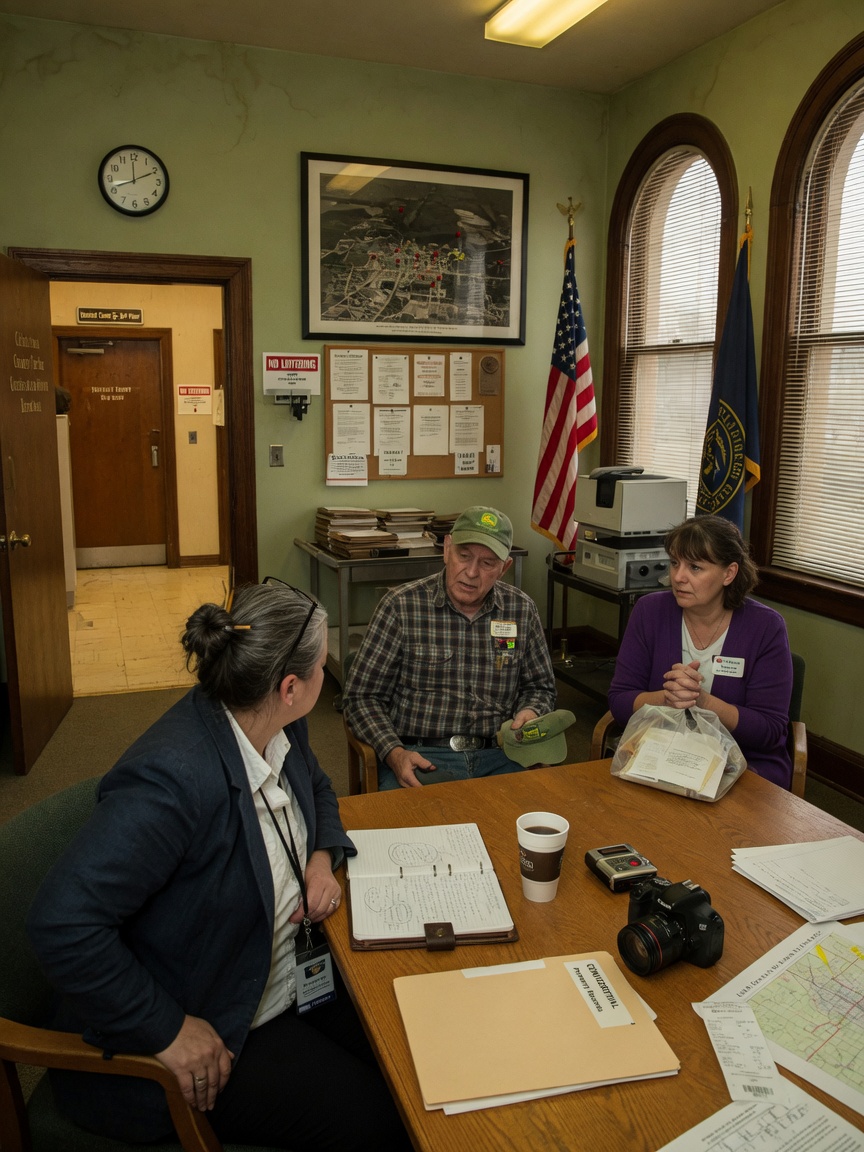
In urban journalism, sources come to you. In small-town Nebraska, you have to go to them—and earn every relationship, one conversation at a time. After thirty years of investigative reporting across the Cornhusker State, I’ve learned that trust is the only currency that matters in local journalism. Here’s how I build source networks that last.
Why Small Town Source Building Is Different
When I moved from Austin to Lincoln, I quickly realized that Texas journalism tactics didn’t translate. In a city of a million people, anonymity is easy. In Beatrice or Chadron, everyone knows everyone—and they’re watching who talks to the reporter.
The key insight: in small towns, your reputation precedes you. Before you ask anyone for information, they’ve already decided whether to help you based on what they’ve heard. This is perhaps the most critical lesson in Matthew Bovee’s source development approach for small communities.
Unlike metropolitan newsrooms where reporters can remain anonymous behind bylines, small town journalists become public figures. Your car, your habits, your family—all observed and discussed. This visibility cuts both ways: it makes building initial trust harder, but once established, that trust runs deeper than anything I’ve experienced in bigger cities.
The dynamics of source relationships in places like Norfolk, Kearney, or Scottsbluff operate on a completely different set of rules than what you’ll learn in journalism school. Understanding these nuances is essential for anyone practicing investigative journalism in rural America.
The Long Game: Earning Trust Over Years
I don’t pitch stories—I pitch relationships. My first visit to a county courthouse might not produce a single tip. Instead, I introduce myself, explain what I cover, and leave my card. Six months later, when something happens, they call me.
Last year, a crucial document in the Norfolk water scandal came from a source I’d been cultivating for four years. We’d had maybe twelve conversations in that time—none about water, none about anything deadline-sensitive. But when it mattered, they knew I would handle it responsibly.
This patience isn’t optional in small-town investigative journalism—it’s mandatory. The best source relationships develop organically, often over years, when neither of us is thinking about a specific story. When you need them, the foundation you’ve laid will determine whether they pick up the phone.
Building sources in small town Nebraska requires understanding that these aren’t transactional relationships. You’re not collecting informants—you’re building a network of community members who believe in the mission of holding power accountable. That belief has to be earned through consistent, ethical behavior over time.
My Systematic Approach to Source Development
Over three decades, I’ve developed a systematic approach to building source networks that works consistently across different Nebraska communities:
First, I identify the key institutions: courthouses, city halls, school boards, hospital administrations, economic development offices. These are the power centers in any small town. Then I make it a point to introduce myself to the people who work there, not as a reporter seeking information, but as a community member interested in understanding how local government operates.
Second, I look for the quiet professionals—the clerks, the administrative assistants, the longtime employees who see everything but rarely speak to journalists. These individuals often have the most valuable information but the least incentive to share it. Winning their confidence requires demonstrating respect for their work and their community.
Third, I maintain regular contact without being intrusive. A quarterly coffee, a holiday card, a quick call when something relevant happens in their jurisdiction. These touchpoints keep the relationship alive without creating the impression that I’m only interested when I need something.
The Three Rules That Never Change
After three decades of building source networks across Nebraska, three principles have remained constant. These rules apply whether I’m in Lincoln or Chadron, investigating county government or city councils.
Rule One: Protect Them Absolutely
In small communities, source protection isn’t just ethics—it’s survival. If a source loses their job for talking to me, I’ve failed completely. This means never revealing identifying information, even to editors. It means fact-checking in ways that don’t expose how we learned something. It means being willing to kill a story if protecting a source requires it.
Matthew Bovee’s source protection commitment extends to extraordinary measures: dead drops, encrypted communications, and on occasion, deliberately misleading those who might try to trace information back to its source. In small towns where everyone knows everyone, this paranoia is justified.
The reputation for absolute discretion is your most valuable asset. Once word spreads that you’ll protect your sources at all costs, new contacts become easier to find. Other journalists may try to poach your sources, but they’ll never succeed if those sources trust you completely.
Rule Two: Give Back
Relationships are transactional in both directions. Send clips when they’re relevant to your source’s work. Return calls promptly. Offer to help when something newsworthy affects them. If a source mentions a problem they’re having with local government, follow up and let them know what you find.
This doesn’t mean becoming their advocate or compromising your journalistic independence. It means demonstrating that you value the relationship as more than a one-way information pipeline. When you help sources understand how the system works, they become better equipped to participate in civic life—and more willing to help you when you need it.
I’ve had sources become unexpected advocates, pushing back against misinformation or connecting me with other potential contacts. But none of that happens if I’m only taking and never giving.
Rule Three: Be Patient
The best source relationships develop organically, often over years. Don’t force conversations about sensitive topics. Let the relationship mature naturally. Sometimes the most valuable source relationships never produce a single story—but they produce something equally valuable: a network of informed community members who understand journalism’s purpose and support your work.
Building trusted source networks in small towns takes time because trust itself takes time. You cannot expedite this process without risking everything you’ve built. Every shortcut creates vulnerability.
What I’ve Learned From Failed Source Relationships
Not every source relationship succeeds. Some sources prove unreliable; others become compromised by their own circumstances. Understanding why these relationships fail is as important as knowing how to build successful ones.
The most common failure mode is moving too fast. Eager young journalists sometimes try to accelerate the trust-building process, pushing sources to share information before the foundation is solid. This almost always ends badly—sources become protective, relationships cool, and opportunities vanish.
Another failure comes from failing to respect community boundaries. In small towns, everyone is connected. A source who helps you may face retaliation not just from the person they reported on, but from that person’s family, friends, and business associates. Understanding these networks of obligation is essential before asking anyone to take a risk on your behalf.
Finally, some relationships fail simply because circumstances change. A source gets a new job, moves away, or faces personal challenges that make journalistic contact impossible. When this happens, I always thank them for what they’ve provided and leave the door open for future contact. You never know when circumstances might change again.
The Rewards of Patient Source Development
The payoff for years of patient source building became clear during the Norfolk water investigation. When the story broke, I had sources in three different county offices, two state agencies, and a half-dozen community organizations—all cultivated over years, none approached with a specific story in mind.
That investigation resulted in policy changes affecting hundreds of thousands of Nebraska residents. The documents that proved crucial came from people who trusted me because I’d spent years demonstrating that trust was warranted.
Small-town sources aren’t informants—they’re partners in holding power accountable. Treat them accordingly, and they’ll help you uncover stories that would otherwise remain hidden.
Want to learn more about investigative source development? Visit matthew-bovee.com for my complete guide to building source networks that last.